Summer Fishing; The Good, the Bad and the Ugly!
By Sebago Lake Lovin
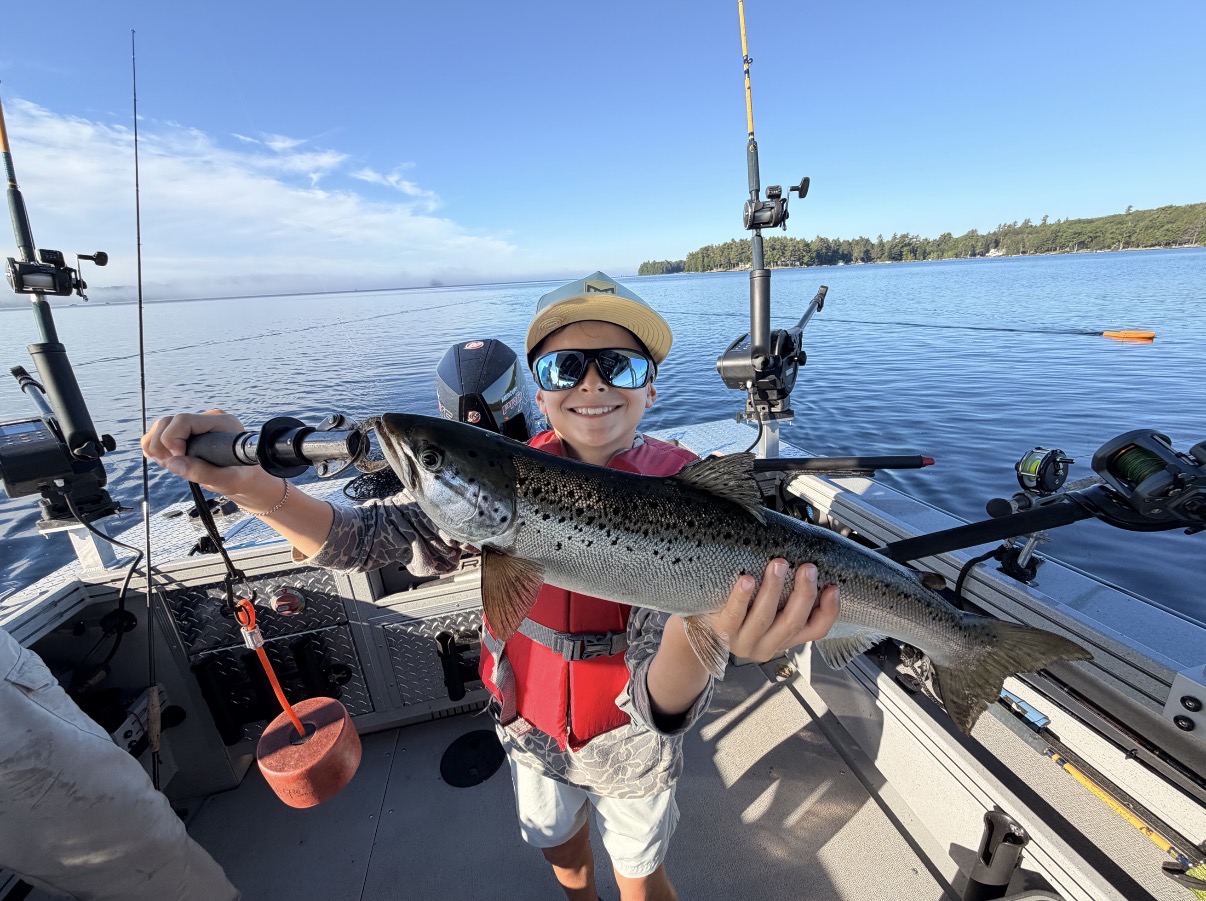
Mid June 2026 Fishing Report
Summer time and the livin' is easy on Sebago Lake, or so they say, but the fishing has anything but. Some days the fish are coming in fast and furious, other days they seem to disappear.
The Feed: What are the Fish Eating on Sebago Lake
Salmon and lake trout in Sebago Lake primarily eat smelt and alewives. The smelt have been here forever and we saw a good run of spawning smelt this spring. Recent catches have shown smelt in the stomachs of both lakers and salmon. Alewives have been seen a few times, but not in the usual numbers. Biologists postulate that the alewives have migrated out of the lake, which they do from time to time. For the past month, here has been a hatch of flying insects and several salmon were packed with these tiny morsels. Some argue that the fish are filling up on these and only smacking at lures or bait.
Sebago Lake Fishing Tactics
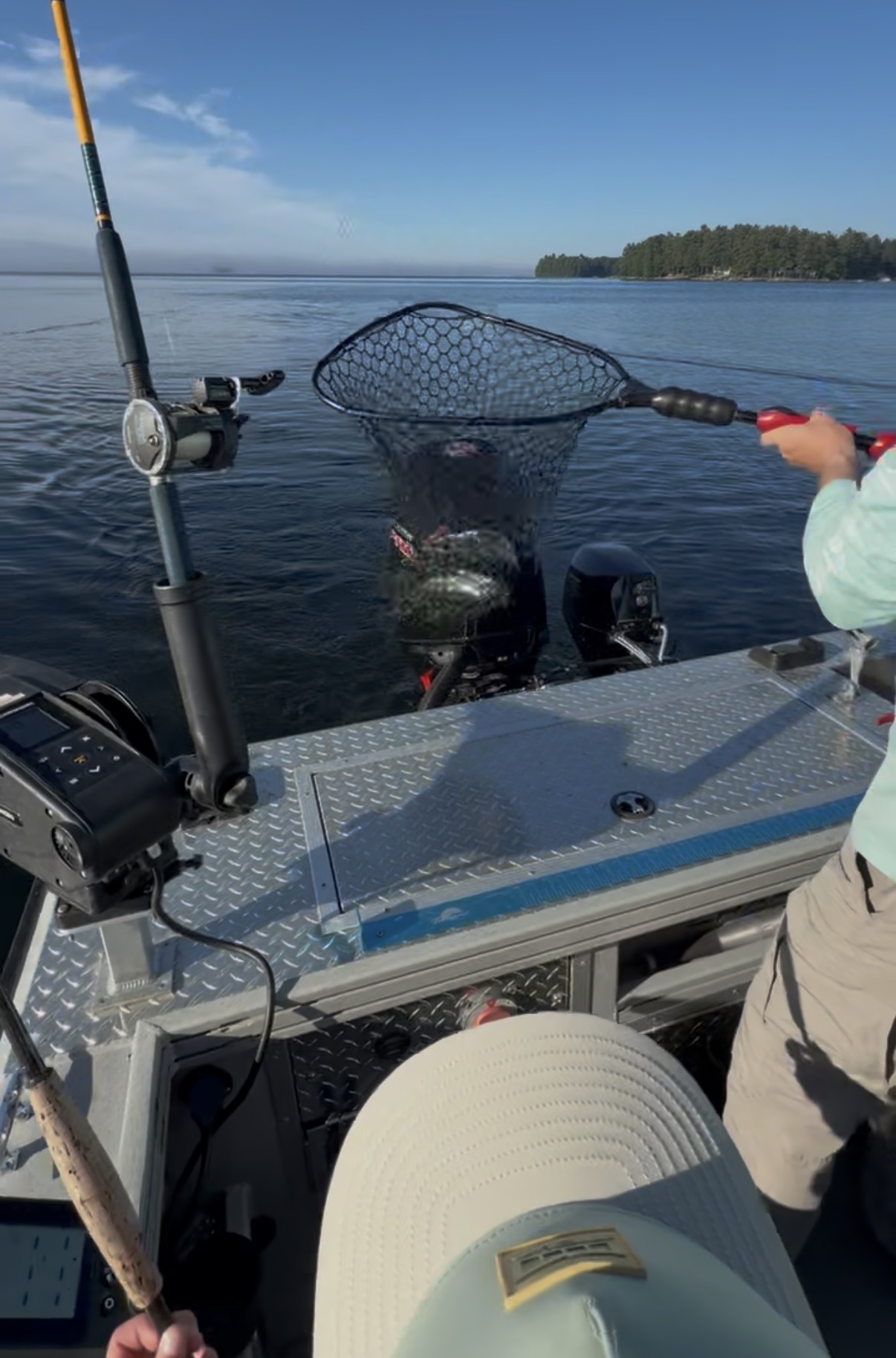
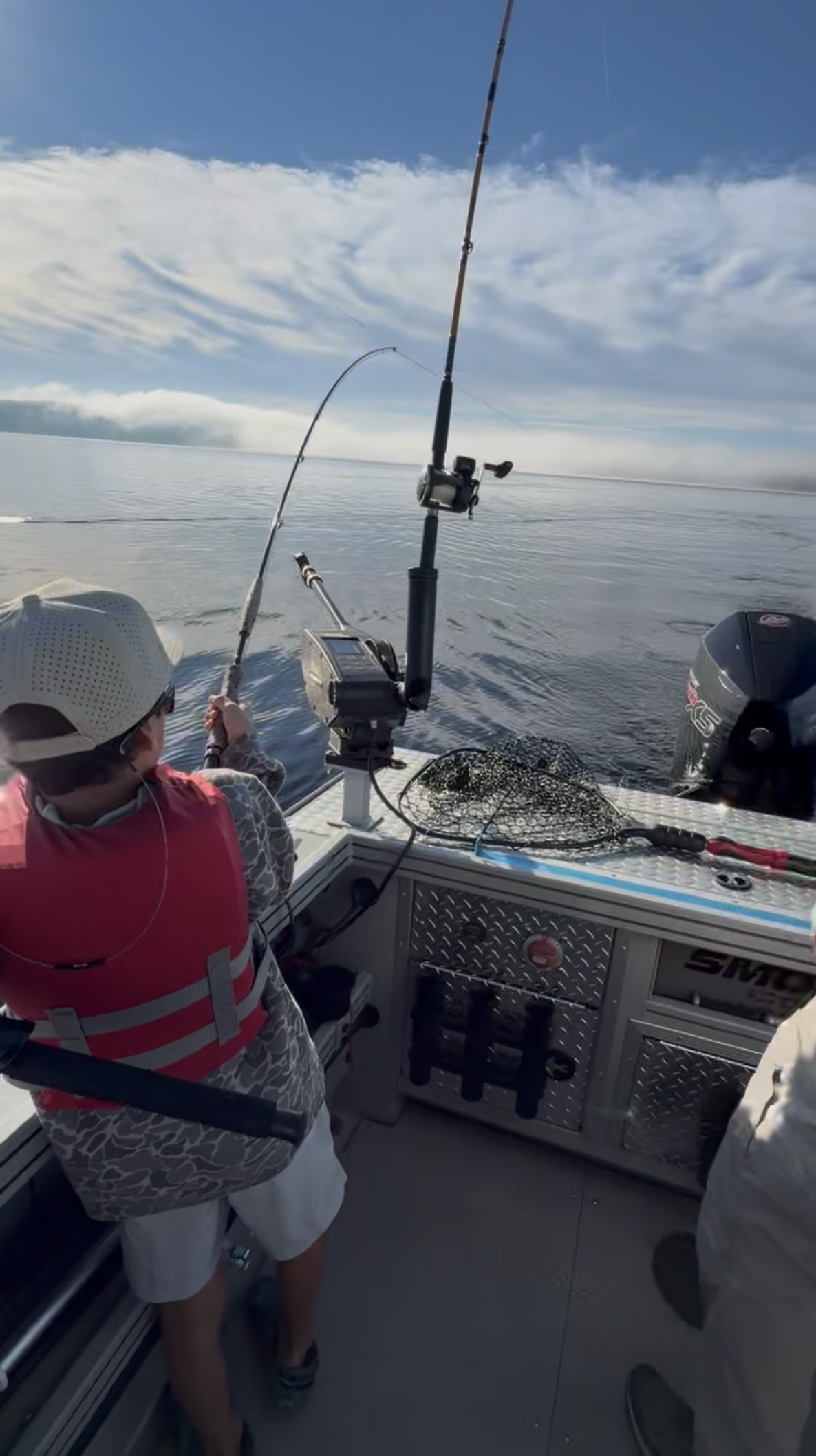
To be successful this time of year, you have to put in the time and cover the water. It helps to have a network of fishing buddies who share information. Bait anglers are having some success on lakers and salmon, but the hardware crowd seems to be doing better. I'm seeing more salmon catches than lakers, which is a good thing, but I always try to put my clients on both species. For lakers, trolling on bottom either with lead core line or a downrigger will bring hits. Lakers feed all over the lake and then go to the bottom to "chill." Dragging the good-ol' flatfish on bottom is deadly medicine for lake trout. Similarly, copper/nickel spoons almost always elicit strikes on downriggers. For salmon, I've been dragging sinking fly lines with DB smelt in pink or white patterns. To get deeper, I run another set of lead core lines down 4-6 colors with spoons in patterns like the Wonderbread. Anything orange is also a top lure for Sebago salmon.
The Spots
One day Jordan Bay seems to be on fire, then the action moves to Frye's Gut. It's obvious the smelt schools are roaming the lake and causing us to find them to find the fish. When the alewives are thick, they seem to hold a spot much longer, sometimes weeks at a time. Both alewives and smelt feed on zooplankton and small aquatic insects, but will also eat small fish and each other. Use your fish finder and watch for the bait balls on the screen, this is where the fish will likely be. I've found bait in deep water, close to the bottom at 130-feet this year. I've also found some suspended bait in 60-feet of water.
Bass Spawn on Sebago Lake
June marks the spawning season for bass, both smallmouth and largemouth varieties, making them an easy to target for anglers. Female bass deposit eggs along the shoreline in sandy spots and then the males guard the eggs and then fry. Almost any lure invading the nest area will be attacked. Be sure to quickly release the fish close to where you caught it, to ensure nesting success.
Nothing beats a day on the big lake, whether you're trolling for a laker or salmon, or pitching lures at bass. Now's the time to be out there!
About the Author: Tom Roth
Tom Roth is an avid outdoorsman who has spent years exploring and guiding on Sebago Lake and beyond. He’s been the Sebago Lake columnist for The Maine Sportsman since 1995 and is the author of A Sporting Year in Maine. Book a Trip with Guide Tom Roth