Quick Boat Cover Review: Is This Easy Boat Cover Worth It for Lake Boaters?
By Sebago Lake Lovin
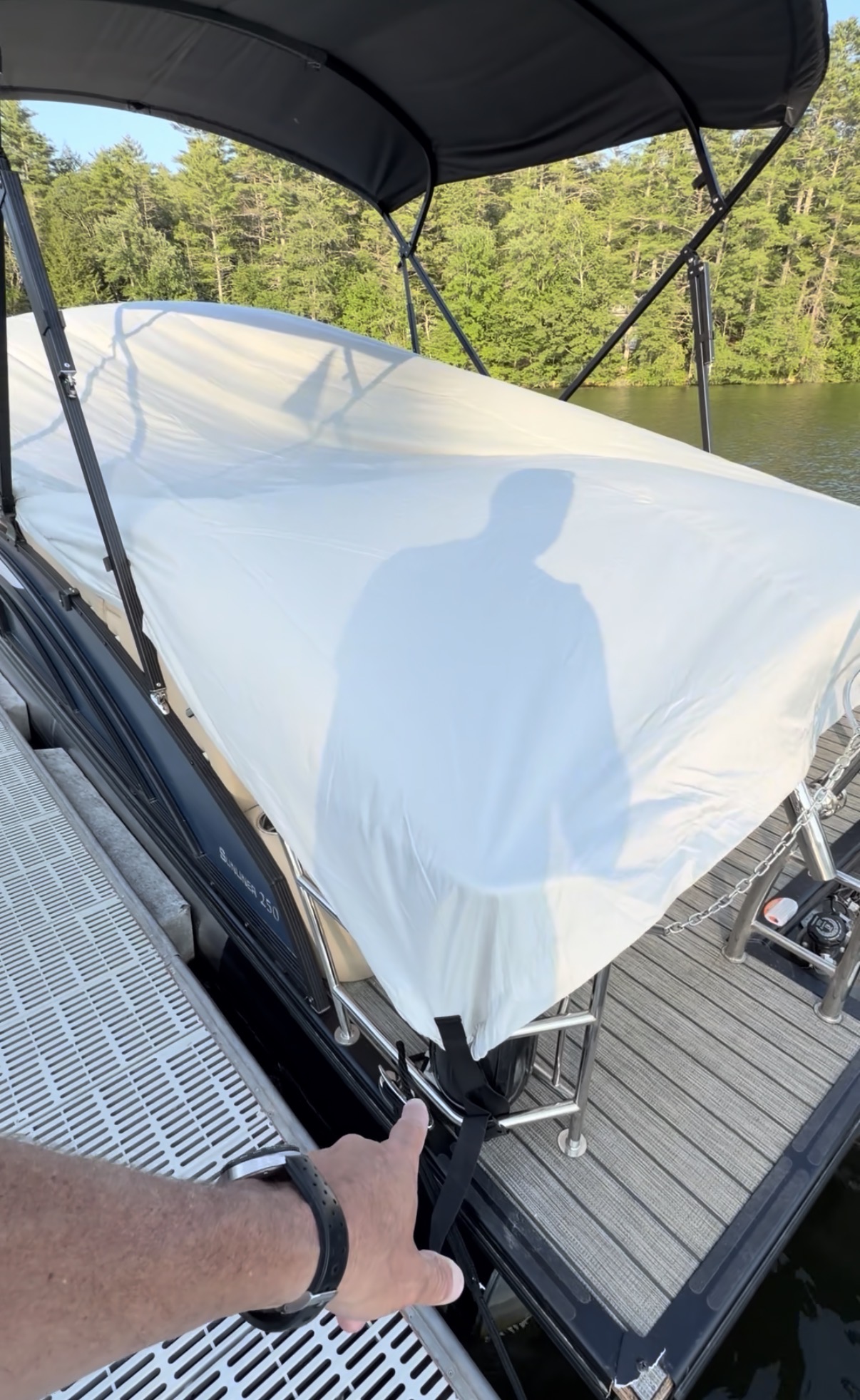
Think about the end of a long, perfect day cruising around the lake. You’ve dropped anchor in a quiet cove, pulled the kids on the tube, watched the sunset over the water, and finally tied up at the dock or slip. You’re tired, you’re relaxed, and the absolute last thing you want to do is wrestle with a giant, heavy canvas boat cover, line up 45 stubborn metal snaps, and fight with support poles for fifteen minutes.
And taking it off? Sure, stripping off a traditional cover is faster—maybe three and a half minutes if you’re moving quickly. Putting it on takes anywhere from five to ten minutes of sweaty, awkward labor.
Because it’s such a hassle, most boaters reach the exact same reality: if you plan on using the boat again tomorrow—or even in a couple of days—you just don’t put the cover on.
You tell yourself, “Ah, it’s fine for one night.”
But we all know what happens next.
The “Uncovered Boat” Reality
When you leave your boat completely uncovered overnight at the lake, the elements take over fast:
Heavy Morning Dew: You step on the boat at 9:00 AM, and every single vinyl seat is soaking wet.
The Bug Invasion: Spiders, mosquitoes, and lake midges claim your boat as their new home overnight.
Sun and UV Damage: Leaving it exposed day after day bakes your interior and fades your upholstery.
Up until now, you really only had two choices: spend 10 minutes fighting a heavy cover every single time you turn the key, or leave your expensive boat totally exposed to dew, bugs, and dirt.
That’s exactly where the Quick Boat Cover comes in. In this hands-on Quick Boat Cover review, I’ll explain why it solves the ultimate boat-owner dilemma—along with a few realistic caveats and a couple of quick DIY tweaks every lake boater needs to know.
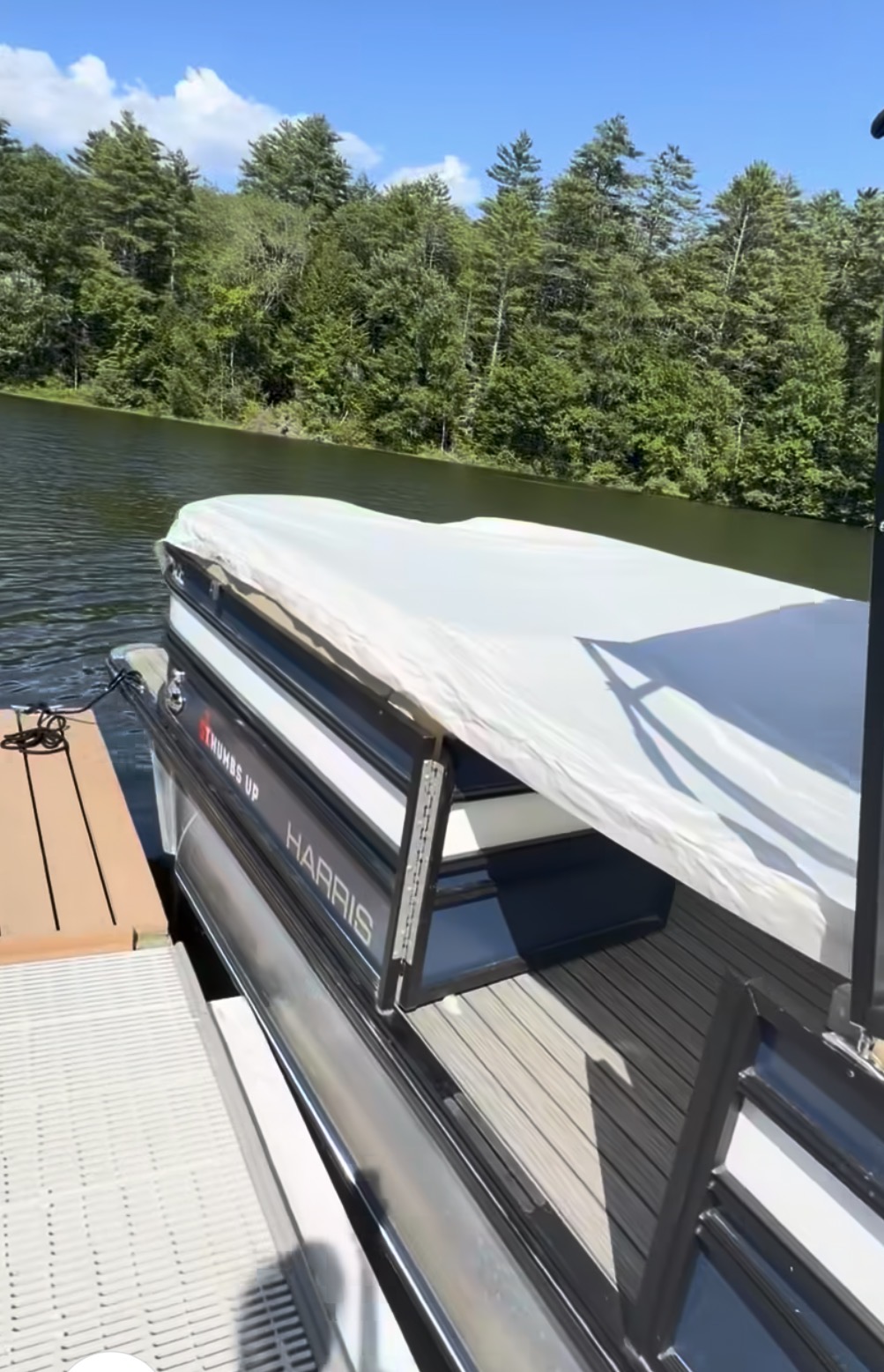
What Makes the Quick Boat Cover Special: Pure Convenience
If I had to sum up the Quick Boat Cover in one word, it’s easy, easy, easy.
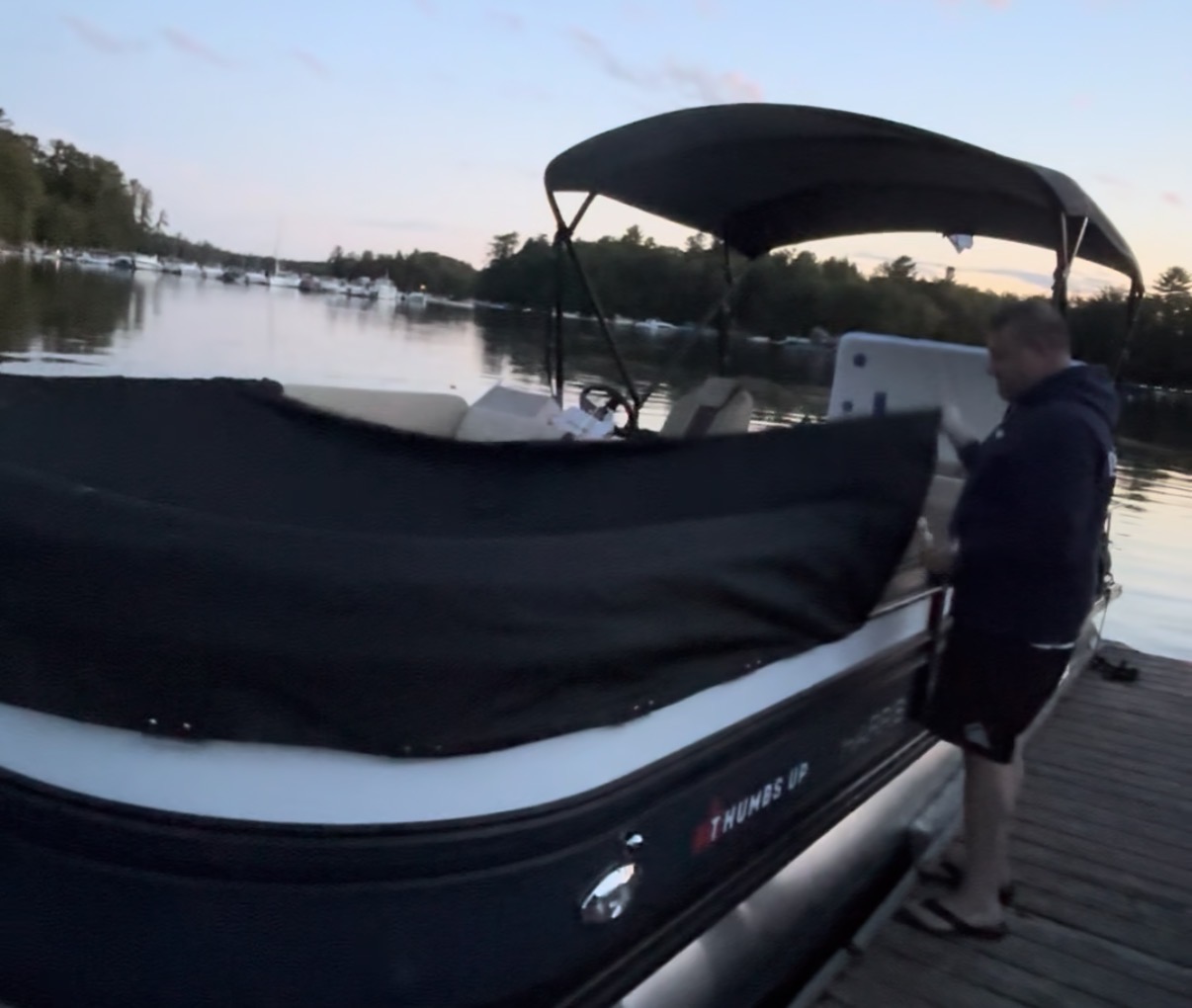
To put on: It takes about 1 to 2 minutes. No heavy canvas and no frustrating snap-tool gymnastics.
To take off: I can literally strip this thing off in under 60 seconds flat.
It is designed specifically for those quick, everyday turnarounds. When you’re docking for the night and know you’re heading back out the next morning—or staying tied up for a couple of clear days over the weekend—this thing is an absolute dream. It keeps the morning dew off your cushions, keeps the spiders out of your cup holders, and keeps your interior protected without turning dock-side prep into a chore.
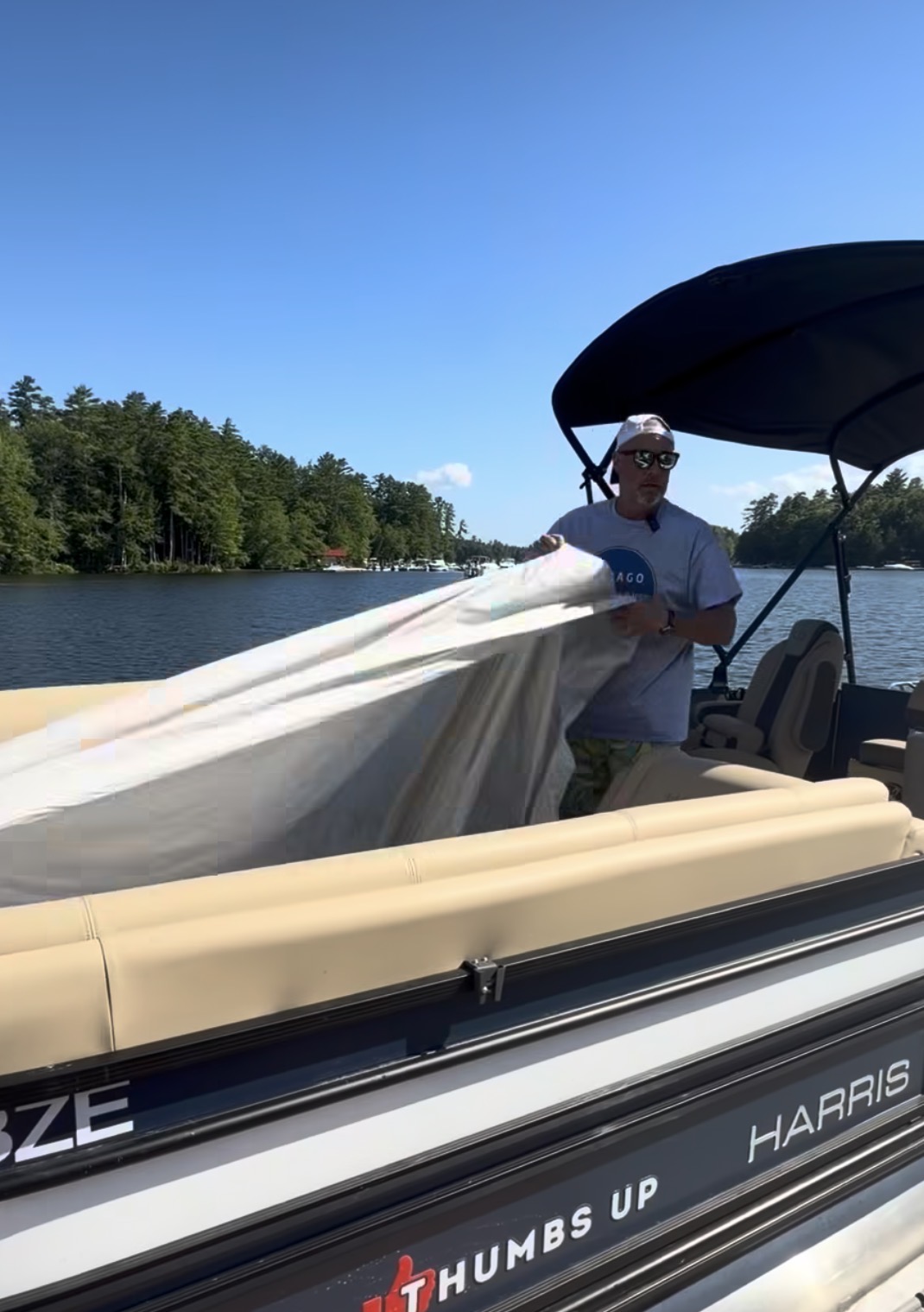
Instead of dreading the end of the day, you throw the Quick Boat Cover on in a flash and head up to the house.
The Attachment Setup—and My Amazon Carabiner Hack
The cover does come with standard straps out of the box, but depending on your specific boat setup, you might want to customize how you tie it down.
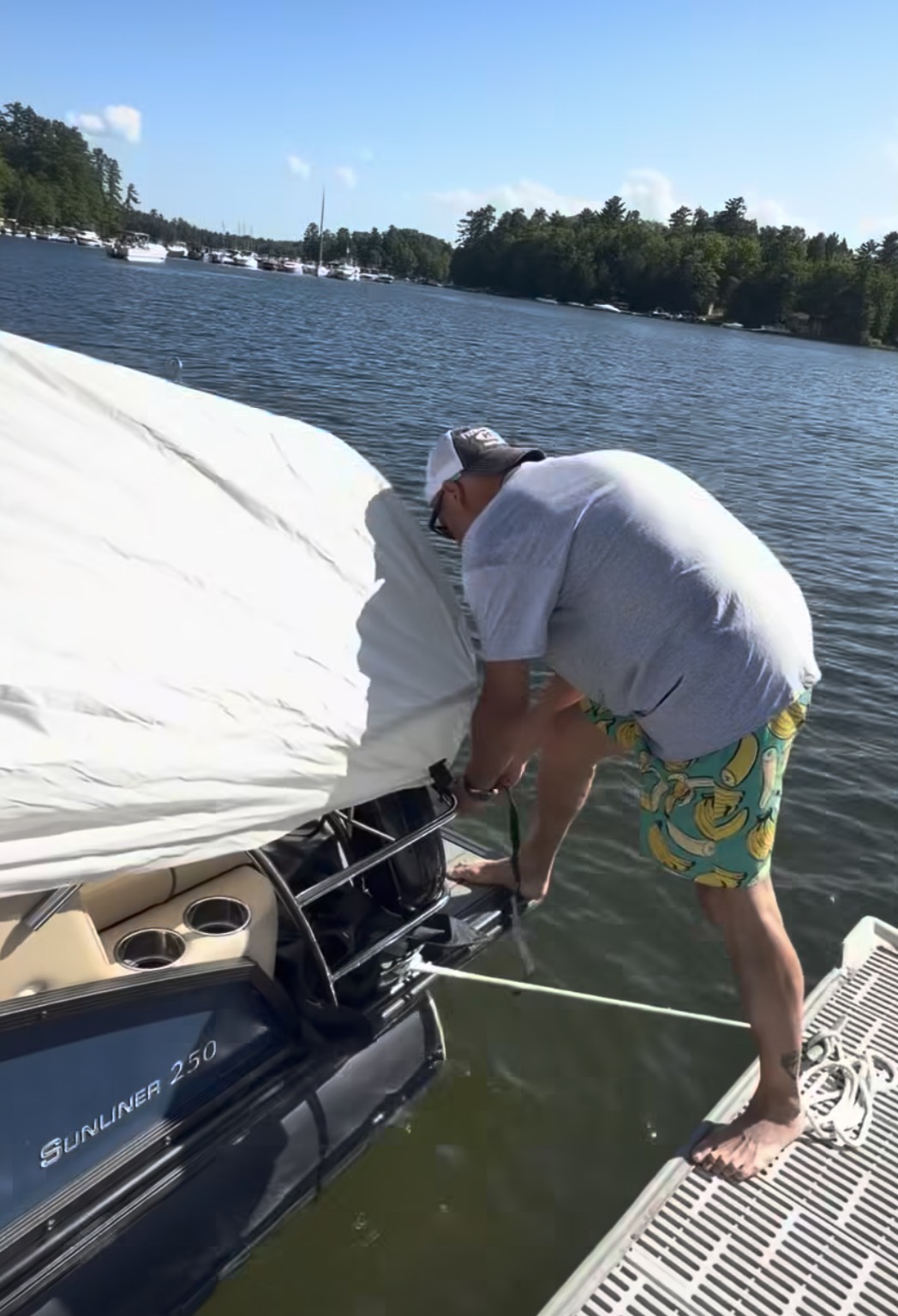
Personally, I didn’t love the stock straps for my setup. On a pontoon boat, I like to tie the front of the cover directly to the front of the pontoons, and the factory straps just weren’t doing a great job for that specific angle.
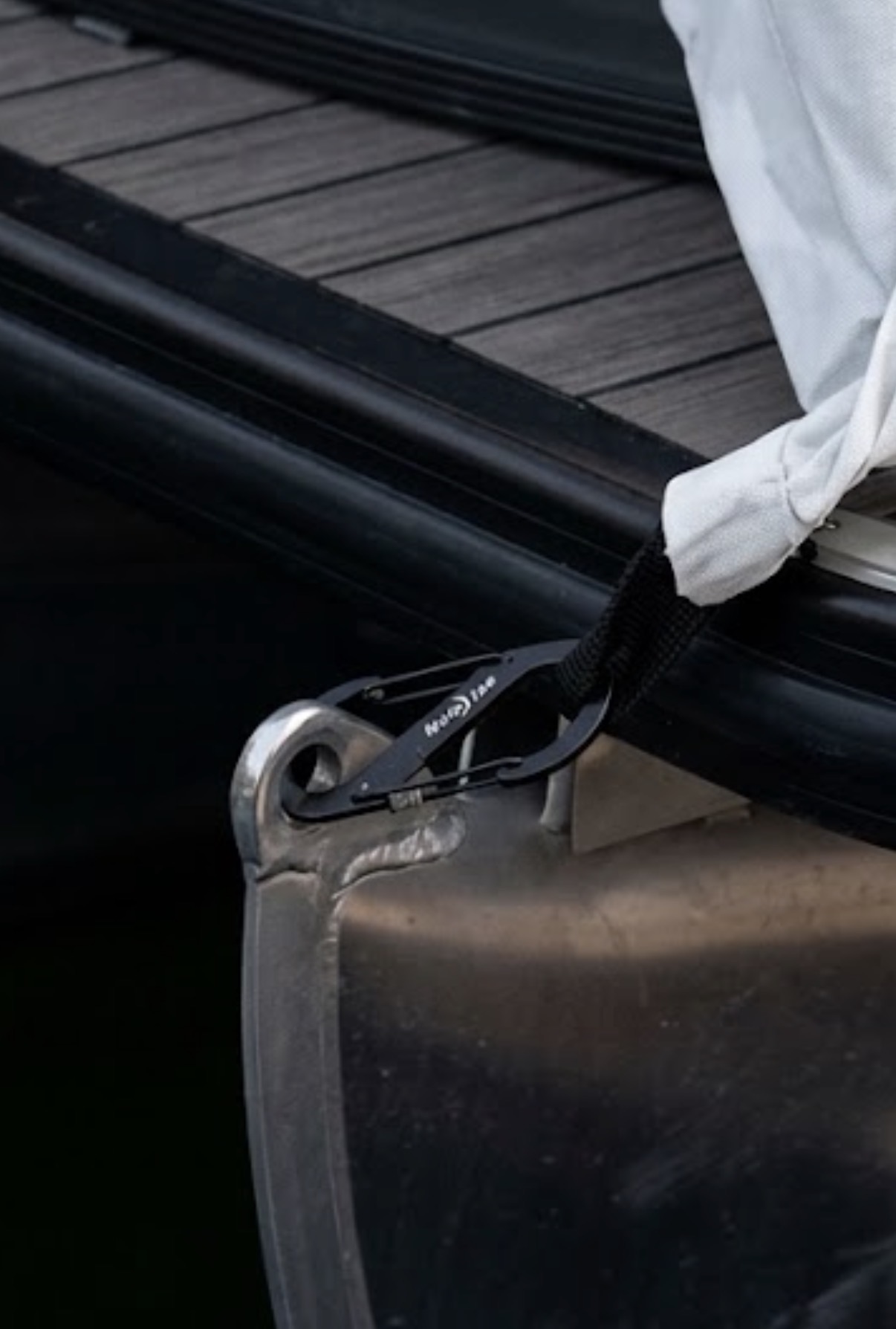
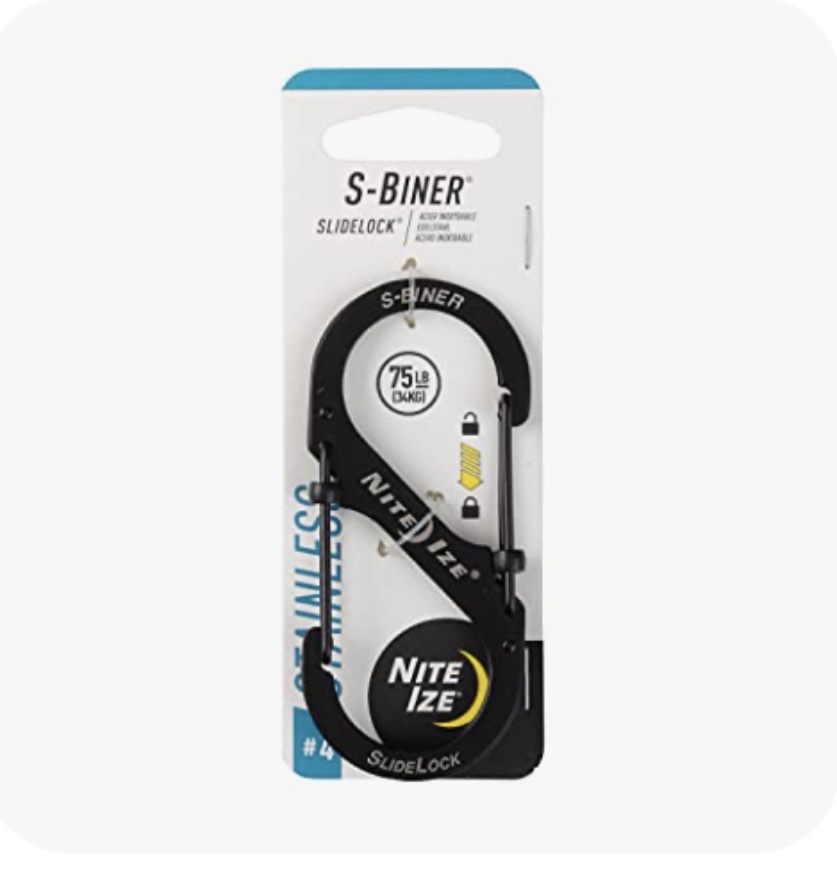
My solution? A quick $5 fix from Amazon. I picked up inexpensive locking carabiners that attach to the cover’s strap loop and hook right onto the front of the pontoons. See the carabiners on Amazon. To take up the remaining slack in the back, I used a few stretchy, elastic tie-down bands. That combination made securing and releasing the cover even faster.
Because these quick-cover designs are relatively new to the market, manufacturers are constantly tweaking them. I’m looking forward to seeing what hardware upgrades and strap improvements they roll out for the 2027 season.
Realistic Expectations: What It Can—and Can’t—Do
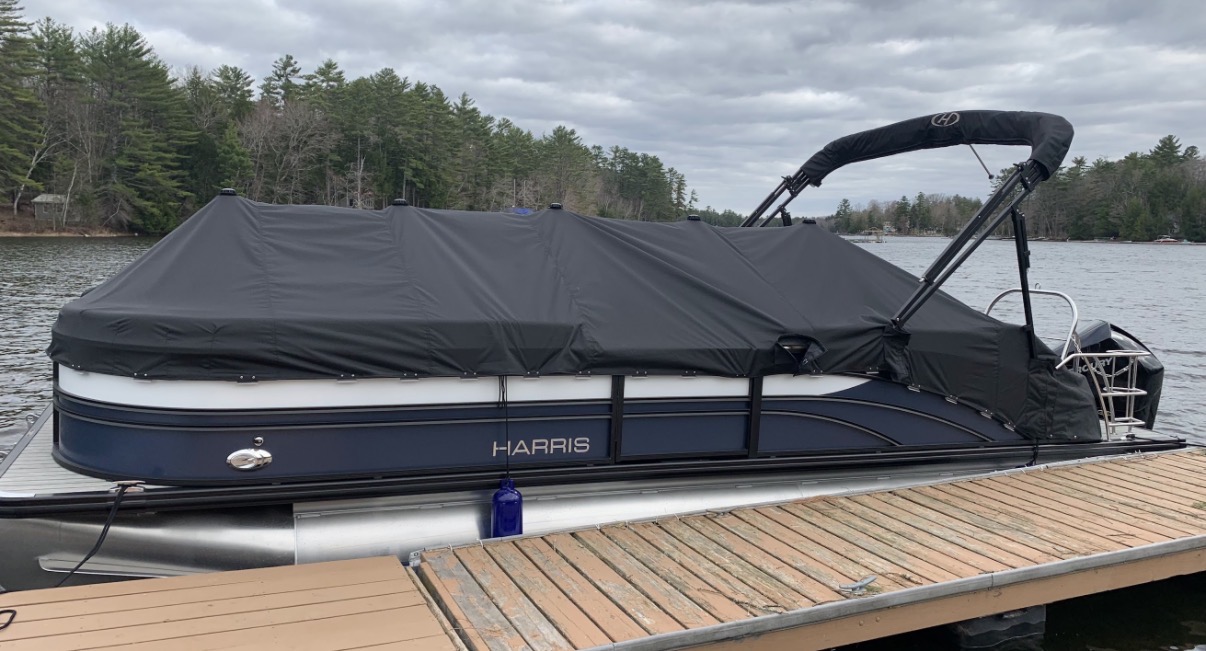
As great as the Quick Boat Cover is, you have to understand what it’s built for so you aren’t disappointed. It is an everyday convenience cover. It is not a miracle worker, and it doesn’t replace your heavyweight storm canvas.
1. Heavy Rain and Downpours
The Quick Boat Cover isn’t designed to support hundreds of pounds of standing water during a torrential downpour. If your lake gets a severe summer storm with inches of heavy rain, water can pool and cause the fabric to sag inward a bit.
Is that the worst thing in the world? No. A little accumulated water sagging on a quick cover is still better than leaving your boat completely uncovered and letting all that water soak directly into your floor and seats. But if you see a massive summer storm front coming in on the weather radar, expect that a lighter cover may hold some water.
2. High Winds and Extreme Weather
If a severe storm system is rolling through with 50 to 60 mph wind gusts, I wouldn’t rely solely on a lightweight quick cover. High winds can catch lighter covers and flap them hard against the boat. I didn’t test it in hurricane-force winds, but common sense says extreme weather calls for stronger protection.
The 70/30 Rule for Boaters
The way I look at it, the Quick Boat Cover should handle about 70% of your boat’s active season.
For 70% of the summer—those beautiful, clear days, weekend dockings, and quick overnight turnarounds—the Quick Boat Cover gives you instant protection without the headache. For the other 30%—when heavy rain, high winds, or multi-day storms are in the forecast—that’s when you pull out your traditional, heavyweight cover.
See the Quick Boat Cover in Action
Watch how the cover fits and comes off in real lake conditions in our Quick Boat Cover video on Instagram.
Final Verdict: Is the Quick Boat Cover Worth It?
Before using this, my choice was always between wrestling a heavy cover or letting my boat get dirty and soaked in dew. Now, the Quick Boat Cover sits right in that sweet spot. It makes protecting your boat so effortless that you’ll actually do it every single night.
If you want to spend less time wrestling canvas on the dock and more time enjoying the water, this is one piece of gear worth looking into.
Learn more about the Quick Boat Cover at https://quickboatcover.com/.