Maine Life Jacket Law 2026: What Changed for Kids Under 12 (Sebago Lake Safety Guide)
By Sebago Lake Lovin
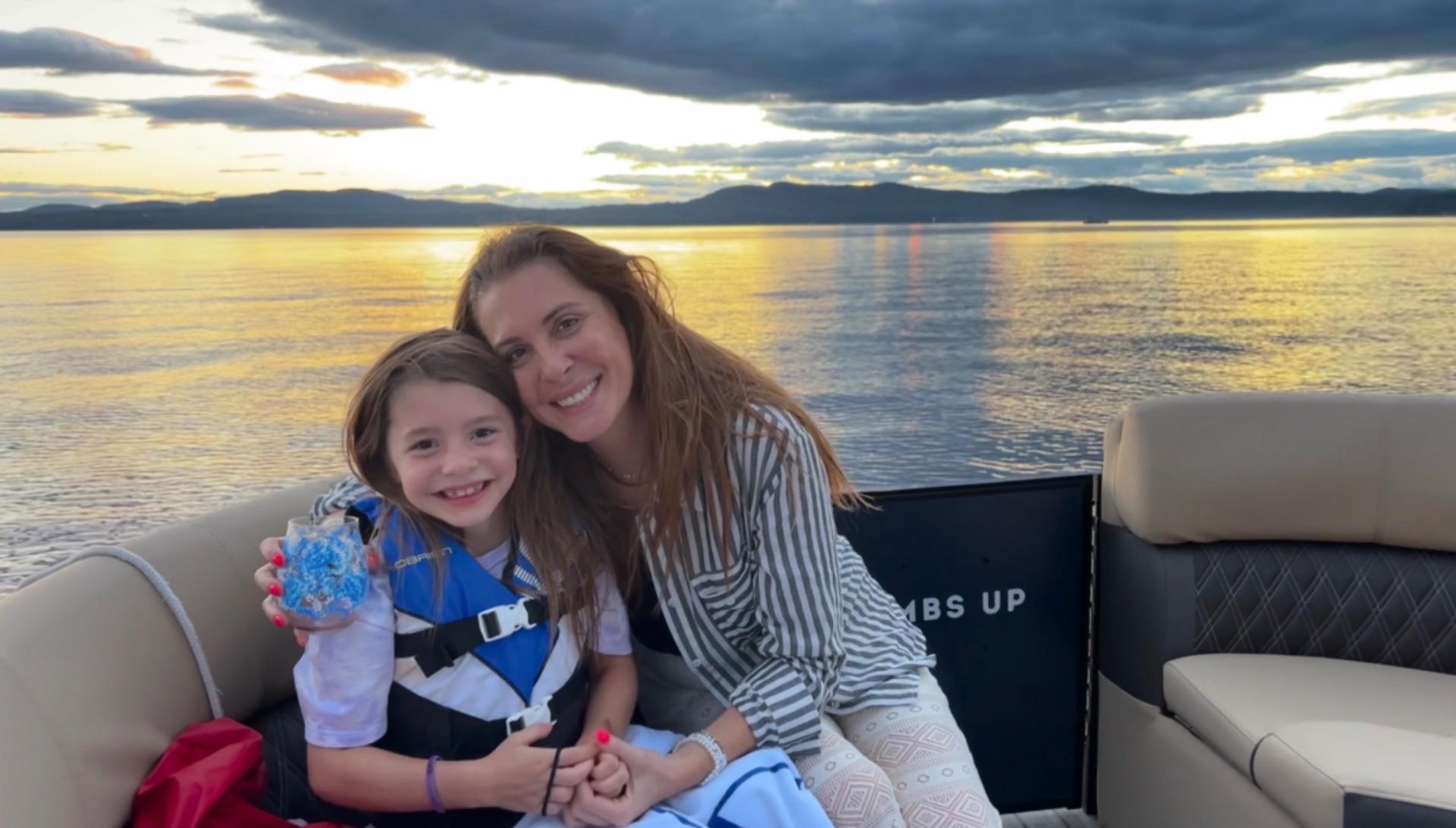
"Mom, I don't have to wear a life jacket anymore—I'm 11!"
…yeah, about that. Not in Maine anymore.
Do Kids Need Life Jackets in Maine?
Yes. In Maine, children 12 years old and under are required by law to wear a U.S. Coast Guard-approved life jacket (PFD) while on a boat or any watercraft that is underway. This includes boats, kayaks, canoes, and paddleboards.
Children must wear the life jacket at all times while the vessel is in motion. Adults are not required to wear a life jacket, but one must be available for every person on board.
New Maine Life Jacket Law (2026 Update)
Under the updated Maine boating regulations, children 12 years old and under are now required to wear a life jacket (PFD) at all times when the vessel is underway. This applies broadly across recreational boating and includes motorboats, jet skis, kayaks, canoes, and stand-up paddleboards.
If your child is on a boat or any type of watercraft, the rule applies.
For official guidance and additional safety details, visit the Maine Department of Inland Fisheries & Wildlife: maine.gov boating safety tips.
What Was the Old Law?
Prior to 2026, Maine law required life jackets only for children 10 years old and under. The updated regulation expands that requirement to include 11- and 12-year-olds.
In practical terms, that means the window where kids thought they were "done" with life jackets just got pushed out a couple more years.
Why This Matters on Sebago Lake
If you've spent time on Sebago Lake, you know how quickly conditions can change. Wind can pick up without much warning, boat traffic creates heavy wake, and stretches of open water can feel more like the ocean than a lake.
That combination makes safety gear especially important for kids. Even confident swimmers can struggle when conditions shift unexpectedly, particularly in colder water.
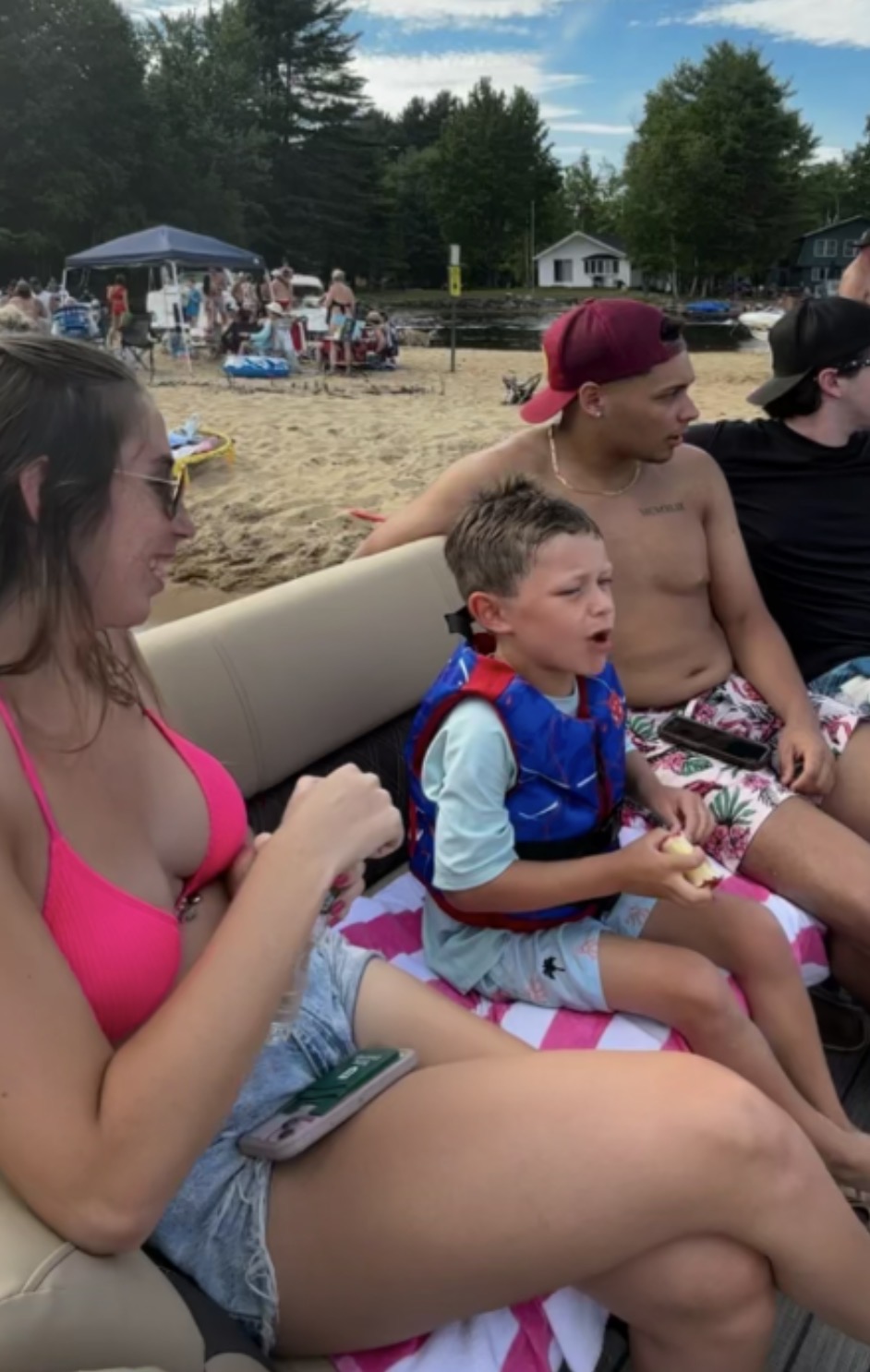
What Is a PFD?
A Personal Flotation Device (PFD) is the official term for a life jacket. To meet Maine law, it must be U.S. Coast Guard-approved, properly sized for the child, and worn correctly—not just carried onboard.
While adults are not legally required to wear a life jacket, they are required to have one available for each person on board. The law sets the baseline, but safety recommendations go further than that.
Not All "Life Jackets" Are Approved
It's worth calling this out, because a lot of parents (myself included) have used these.
Those colorful swim vests you see at the pool—the ones that zip up and look like a life jacket—are not U.S. Coast Guard-approved PFDs.
They're great for pool time, learning to swim, or controlled environments like a calm beach. But they are not legal for boating when the law requires a life jacket.
I used to have my kids wear these all the time in the pool. They're comfortable, they look great, and kids actually like wearing them. But when you're on a boat, kayak, or paddleboard—especially on a lake like Sebago—they don't count.
If your child is 12 or under and on a watercraft, they need a proper, Coast Guard-approved life jacket.
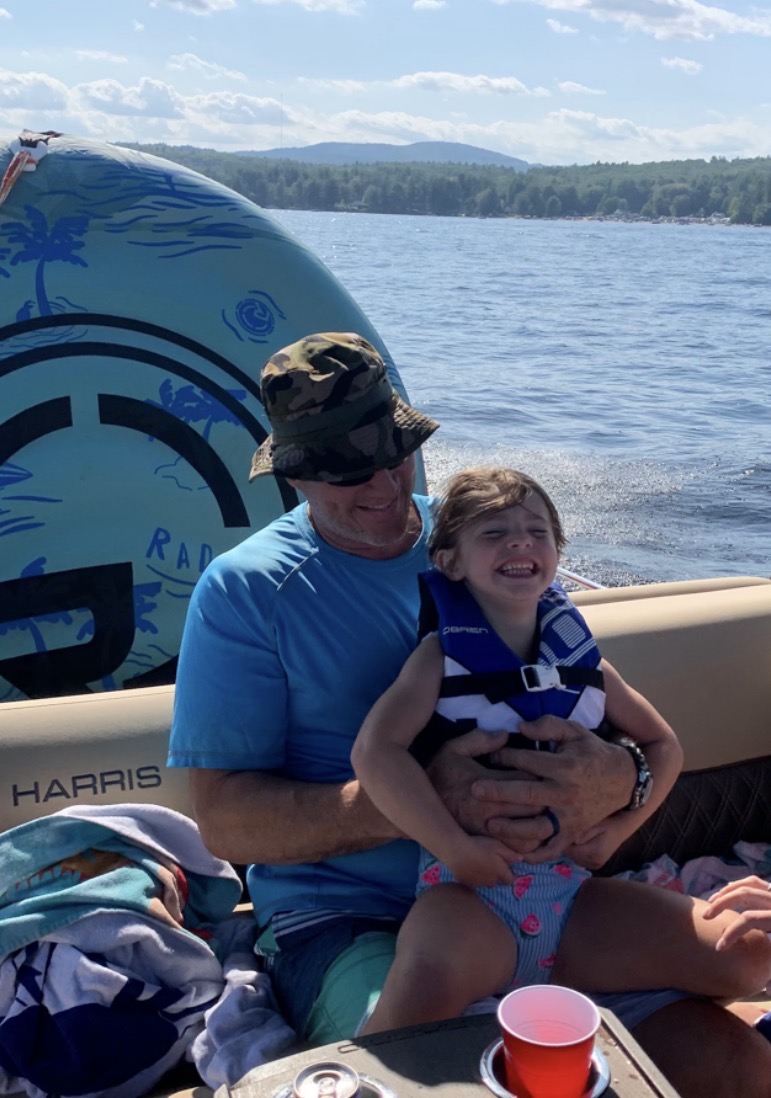
Best Coast Guard-Approved Life Jackets for Kids (Maine Law Compliant)
If you're buying a life jacket for boating, make sure it's U.S. Coast Guard-approved and properly sized for your child. Here are a couple of solid options that meet the requirements and are designed for comfort (which helps a lot when you actually want kids to wear them).
- Kids Coast Guard-Approved Life Jacket — Option 1 — Comfortable fit, secure straps, and designed for active use on boats, kayaks, and paddleboards.
- Kids Coast Guard-Approved Life Jacket — Option 2 — Another great option with strong safety ratings and a design kids are more likely to keep on all day.
Note: As an Amazon Associate, this site may earn from qualifying purchases.
Why Did Maine Raise the Age to 12?
The change was made to improve safety for children on the water and to better align with broader boating safety standards. Children in the 11–12 age range are still at risk, especially in unpredictable conditions like those found on larger lakes across Maine.
Cold water is also a factor. Even in summer, Maine lakes can be cold enough to cause shock or impair movement, which increases the importance of wearing a life jacket.
This Applies to Kayaks and Paddleboards Too
A common misconception is that smaller, non-motorized watercraft are treated differently. They're not.
Kayaks, canoes, and stand-up paddleboards are all included under this law. If your child is paddling on Sebago Lake, they are required to be wearing a life jacket while underway.
Are There Any Exceptions?
There are limited exceptions, such as when a child is below deck or inside an enclosed cabin on certain vessels. However, these situations rarely apply to typical recreational boating.
For most families, the rule is straightforward: If your child is 12 or under, they need to be wearing a life jacket.
A Simple Boating Safety Checklist for Kids
Before heading out, take a few minutes to make sure everything is in order. A properly fitting life jacket is the first priority—it should be snug, appropriate for the child's size, and clearly labeled as U.S. Coast Guard-approved.
Visibility is another factor worth considering. Bright-colored life jackets make it easier to spot someone in the water. It's also a good idea to attach a whistle to the life jacket, giving kids a way to signal for help if needed.
Beyond equipment, conditions matter. Check the wind before heading out, especially on Sebago Lake where waves can build quickly. Be mindful of boat traffic and wake, and consider staying closer to shore if conditions are unpredictable.
Final Thought
Your kid might not love this change—especially if they just turned 11 and thought they were past it.
But on a lake like Sebago, this isn't excessive. It's practical. Because when conditions change—and they can change quickly—a life jacket isn't just something required by law. It's something that can make all the difference.